Published by Dating After 40 Guide
Choose the Kind of Connection You Want to Test
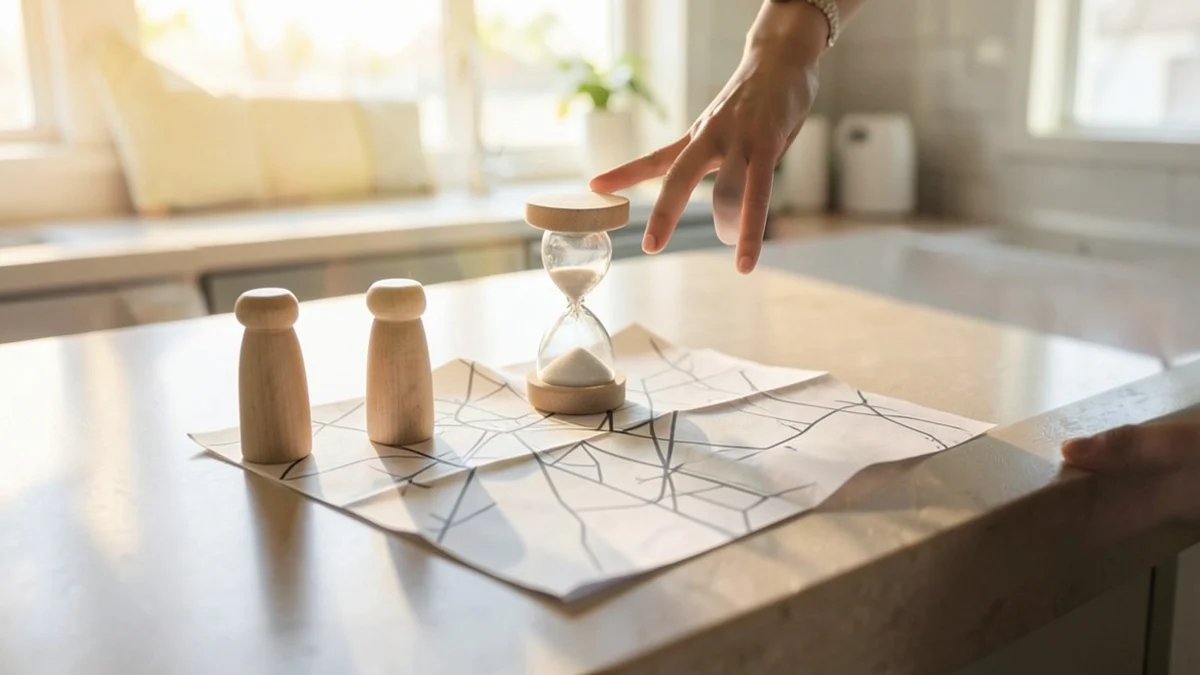
Your second-date choice depends on what the first meeting left unresolved. If both people enjoyed talking but still feel cautious, a conversation-focused plan gives the connection more time without demanding an entire evening. If conversation already feels easy, a shared activity adds information about how you cooperate, move through a public setting, or handle a small change of plan.
Limited capacity changes the choice rather than lowering its value. A nearby daytime meeting suits someone managing work, family responsibilities, fatigue, mobility concerns, or a tight budget. When interest remains uncertain, flexibility matters more than originality: a public place, a short appointment, and an optional extension protect both people from feeling trapped.
Think of the second date as a modest variation on the first, not a relationship milestone. A different setting should create a fresh conversation or shared moment while preserving enough time to talk. An itinerary with several stops, difficult transportation, or a long prepaid commitment asks too much before you know whether the connection works in person.
When You Want More Conversation
Suppose the first date ended with more to say, but neither person wants another long evening. A strong default itinerary is a public café at 11:00 a.m., coffee and conversation until about 11:40, followed by an optional 15- or 20-minute walk nearby. The stated end point is noon. If the exchange feels good, either person can suggest continuing; if not, the plan ends naturally without an awkward retreat from a reservation.
A bookstore offers a similar structure when walking is unpleasant or one person prefers a quieter setting. Browse a section each person genuinely likes, share one or two finds, then sit for coffee or a light lunch. The books create openings for conversation without forcing a sequence of personal questions. A casual lunch works when sitting is more comfortable than walking, provided the meal stays simple and does not require a long reservation.
When interest is promising but uncertain, the café-plus-optional-stop version works better than a fixed evening itinerary. Meet in a busy public setting, arrange separate transportation, and make the second stop conditional rather than assumed. If the energy feels different in person, either person has a straightforward exit after the first portion. That flexibility protects both people from overinvesting in a plan built on limited information.
When You Want to Do Something Together
Shared activities suit two people who already enjoy talking and want to see each other outside a purely conversational setting. The activity should support interaction rather than consume the entire meeting. A museum visit works well when you want unhurried movement and occasional discussion; allow roughly 60 to 90 minutes, then add coffee if both people still want to talk.
A farmers market creates frequent pauses and low-cost choices. You can walk, sample the atmosphere, and discuss what catches your attention without committing to a formal meal. Its main limitation is noise, weather, and uneven walking surfaces, so it fits best when both people enjoy daytime movement and the forecast is favorable.
Cooking classes and other creative activities create a stronger shared task. They suit people who like making something together, but a scheduled class often leaves limited private conversation and less control over the end time. Pairing the class with a brief coffee beforehand gives you time to talk; adding a long dinner afterward turns a manageable plan into a much larger commitment.
An easy hike or accessible nature walk provides movement and quiet scenery, but the route, surface, weather, and transportation deserve attention. A short, familiar route near public facilities keeps the activity low pressure. A live daytime event offers a clear shared experience, though the performance or program itself does little to reveal conversational compatibility. Add a short drink or meal before or afterward when conversation is the purpose of the date.
Keep the Plan Proportionate
Duration should match current capacity. A conversation-centered second date usually works well at about 60 to 90 minutes, while an activity-based plan often needs 90 minutes to two hours. Longer plans suit people who have already discussed their availability and genuinely want the extra time. An all-day outing, overnight trip, distant drive, or event with no practical exit asks the connection to carry more weight than a second date requires.
Distance affects pressure as much as time. A nearby public location reduces travel, parking, and transportation complications. Each person should know how they will arrive and leave, especially when one person has limited mobility, does not drive, or needs to manage medication, work, caregiving, or fatigue. Separate transportation preserves the ability to end the date without negotiating a ride.
Budget deserves a direct conversation before reservations or tickets enter the plan. A free bookstore visit, short walk, farmers market stroll, or simple coffee keeps the financial commitment modest. A paid cooking class or live event makes sense when both people have expressed interest and the cost is comfortable for both. An elaborate surprise creates pressure because the recipient must respond to the plan and the expense at the same time.
Weather changes belong in the itinerary rather than in a last-minute scramble. An outdoor plan needs an indoor alternative nearby, while an indoor meeting needs no complicated second option. Confirm the timing, location, accessibility, parking or transit details, and expected end before the date. Practical information feels considerate; it also prevents one person from arriving with assumptions the other never agreed to.
Signs of an overbuilt plan include several reservations, a long drive followed by multiple activities, tickets that cannot be changed, a high cost neither person discussed, or no clear departure point. A plan also becomes too elaborate when every quiet moment has been filled with entertainment. One main activity, one optional extension, and a stated end time provide enough structure without making the date perform a future relationship.
For a promising but still uncertain connection, the clearest choice is a public café near a bookstore: 40 minutes of coffee, up to 20 minutes browsing together, and a noon exit. A nearby indoor café becomes the backup if weather disrupts a walk. For two people ready for more activity, a 60-minute museum visit followed by 30 minutes of coffee offers the same balance. Both itineraries create a shared experience, protect personal capacity, and leave the next step to what actually happens in person.